
The Department of Pharmacy was established in 2004 with an initial enrollment of 60 students in the Bachelor of Pharmacy program, and subsequently, in 2008, it introduced diploma courses in Pharmacy, also admitting 60 students. Currently, the department has an enrollment of 100 students in B.Pharma and 60 in D.Pharma. Pharmacy is the health profession that connects health sciences with chemical sciences and is responsible for assuring the safe and effective creation and use of pharmaceutical medications. Pharmacy and Pharmaceutical sciences nationally and globally have been undergoing a paradigm shift from Product to Patient and the Pharmacy education too has responded to keep pace with this development.
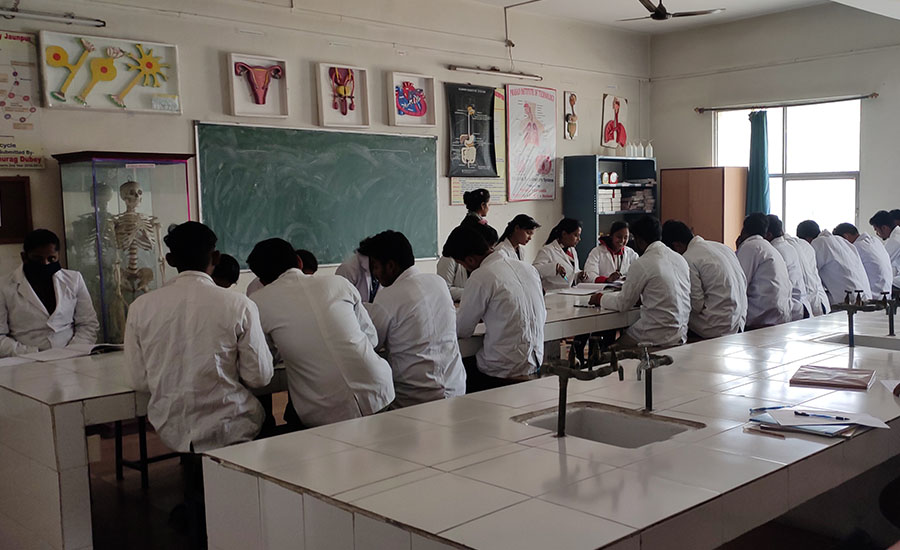
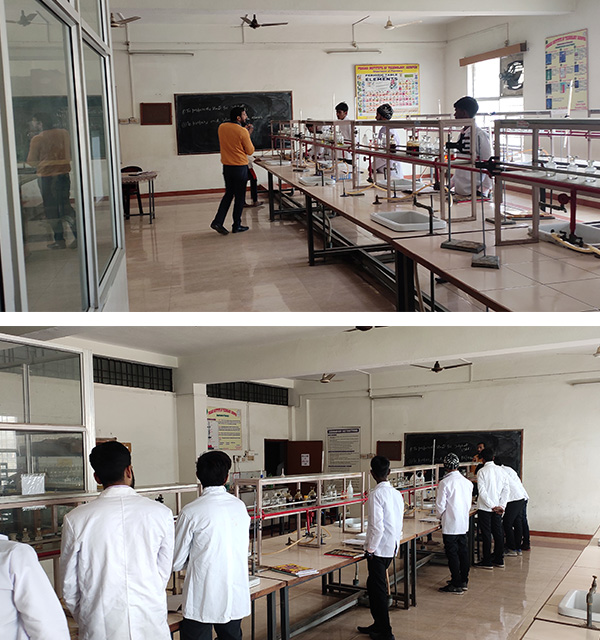
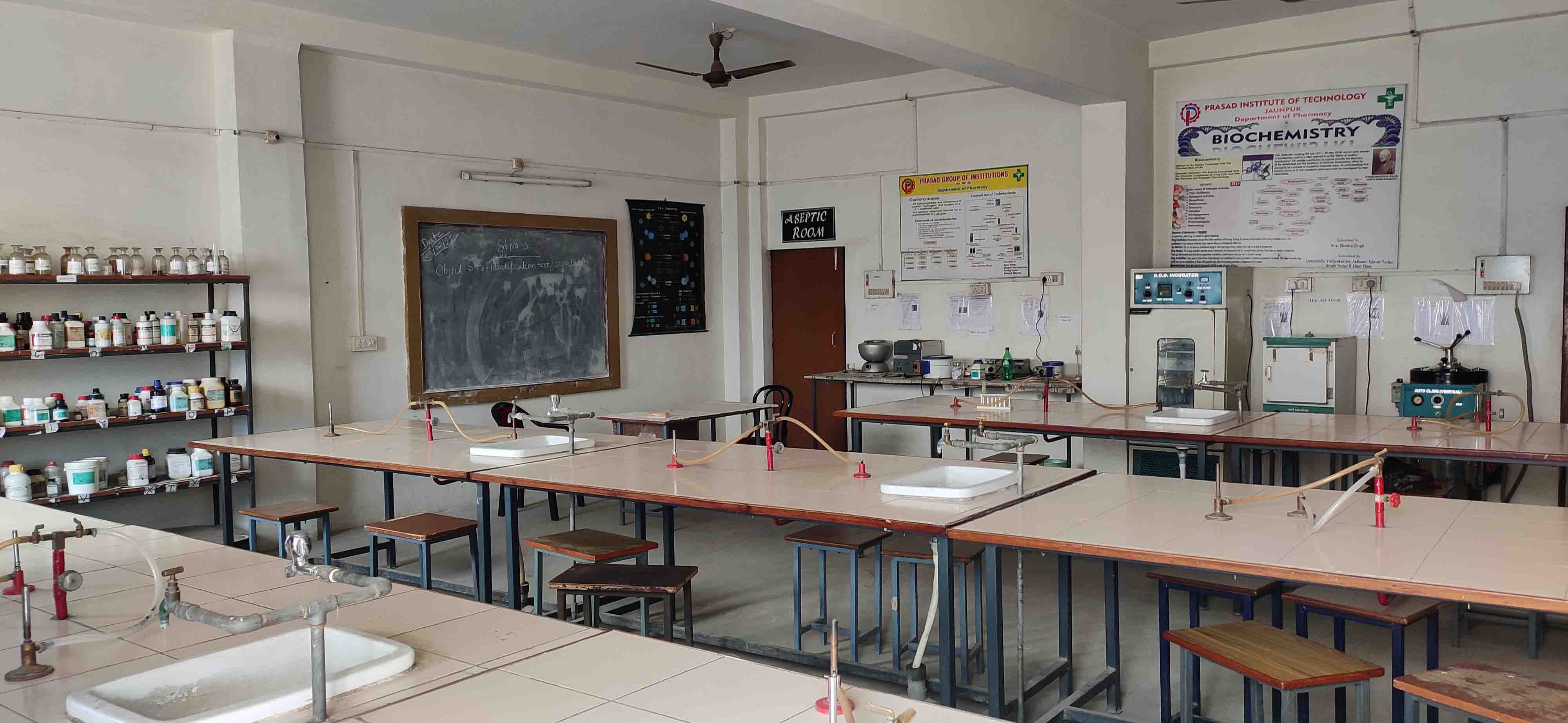
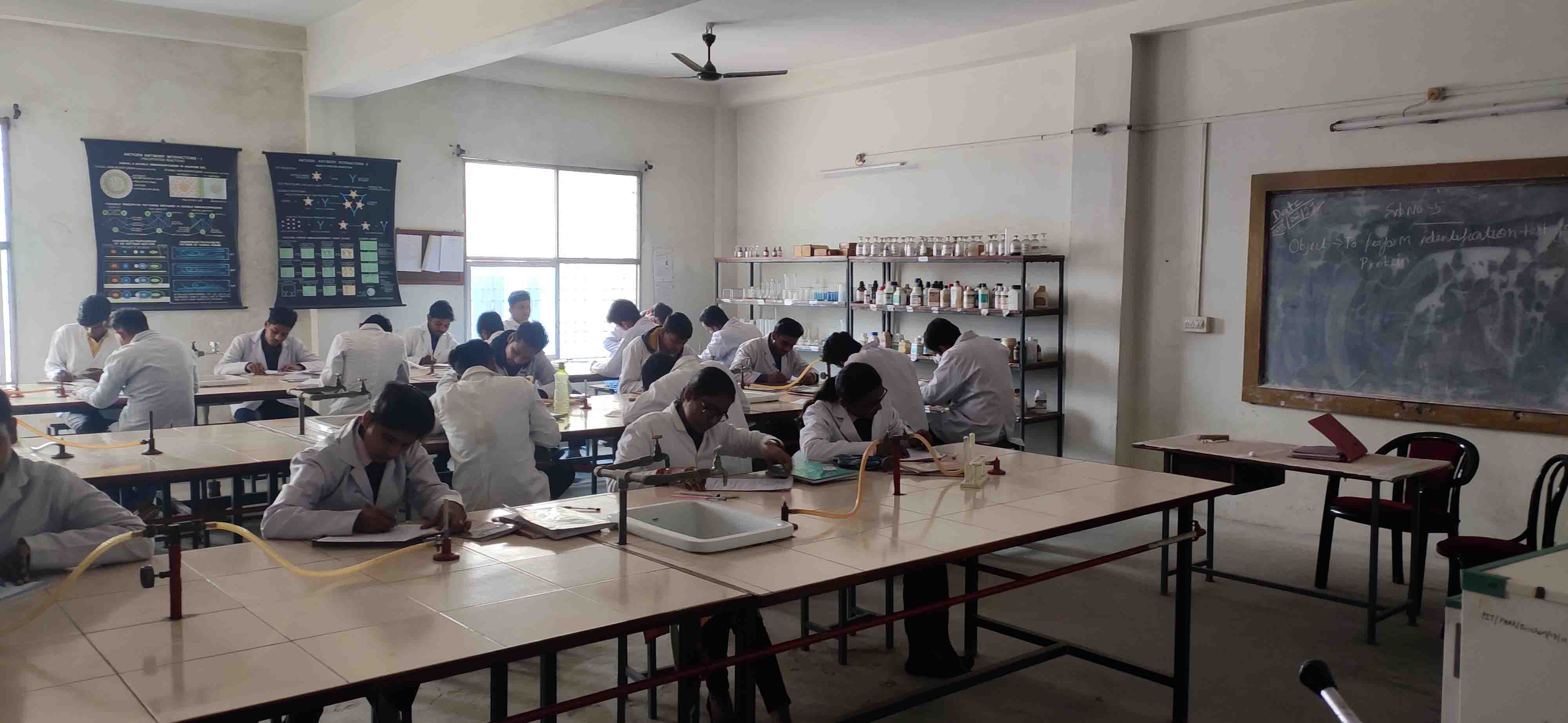
The Department has well equipped laboratories, so that the students can understand effectively. These equipments are used in the pharmaceutical industries at different stages of production, quality control and packing. Tabletting machines, coating and polishing pans, bottle filling machines, and Q.C. instruments like U.V. visible spectrophotometer, HPLC (shimadzu) with U.V.-Florescence detector, deep freezer are some of the important ones, apart from other modern and sophisticated machines and instructions to update the facilities. Experiments are designed so that the basic concept is well understood by students.
Upon successful completion of this course, students may commence their careers as Drug Inspectors, Hospital, Clinical, or Community Pharmacists, Chemists, Drug and Food Analysts, Production Managers, Product Managers, Research and Development Executives, or Junior Scientists.

Serving the Society Globally by imparting education of high standards and ensuring all round development in pharmaceutical Education in order to evolve dynamic, knowledgeable and competent Pharmacy Professionals with applied knowledge of Pharmacy.

Prasad Institute of Technology, Dept of Pharmacy is well established & equipped for all Academic & co curricular activities as all the labs are designed in an up-to-date pattern to provide adequate space for each student, to carry out their practical work individually. The institute has sufficient number of labs for undergraduate training in all the major areas of pharmacy. All security measures have been put in place to assist in case of emergencies. The area of the laboratories complies with AICTE standards and the equipments are maintained as per PCI guidelines.
Other than working laboratories the college also has a Central Instrument room where common instruments as well as instruments requiring air conditioning are kept. Each instrument is operated through a SOP and a log book for efficient functioning. To provide the instrument a non-fluctuating power supply college has installed huge stabilizers and sturdy power connections.
Prasad Institute of Technology, Dept of Pharmacy has Instrumentation like

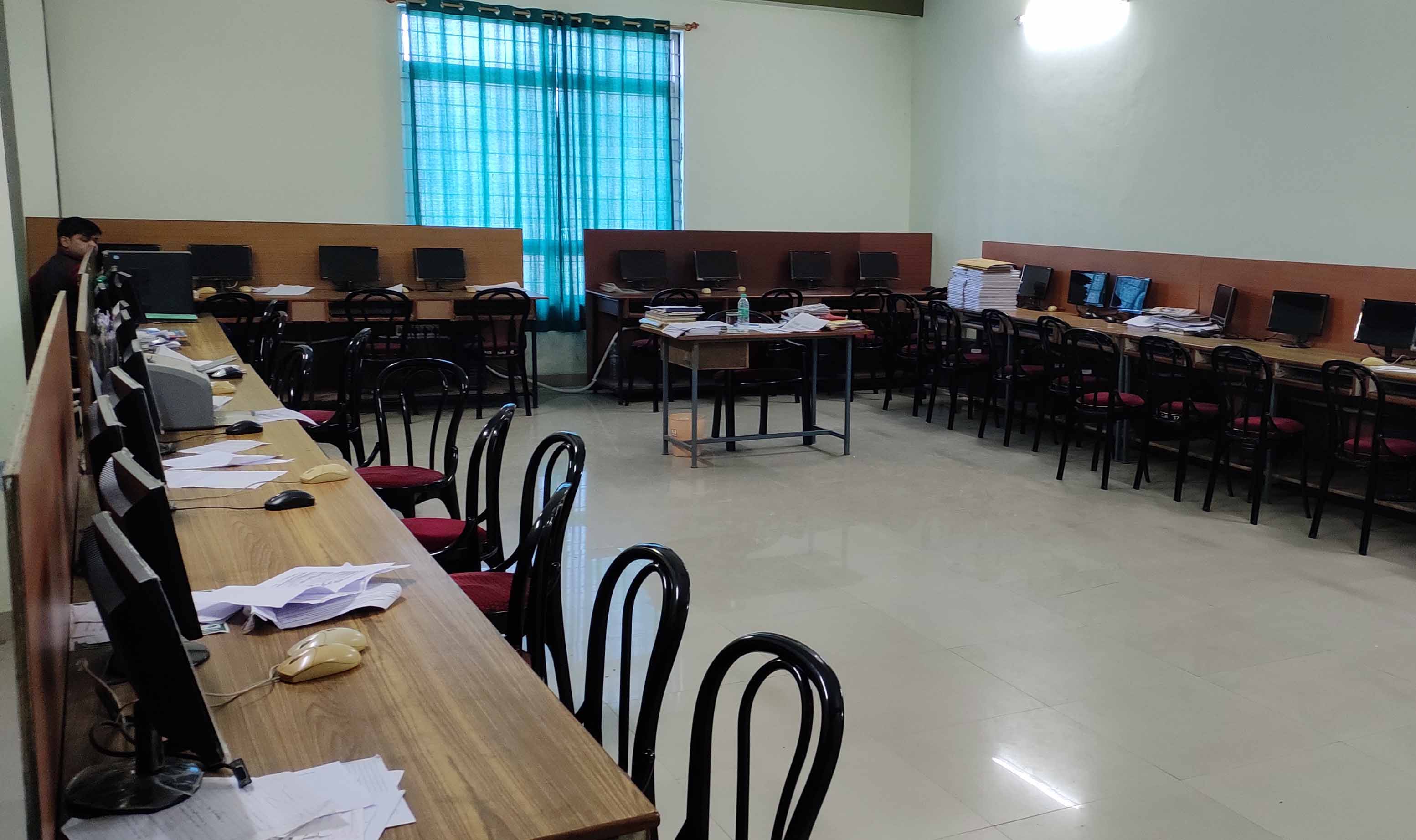
PIT has computing facilities which include computers connected over a network to our labs and offices Our computer lab contain more than 32 personal computer systems, interconnected via a high-speed, internet network.
The faculties are using multimedia elements LCD projectors in the Class room. It will help the faculties to represent the content in a more meaningful way using different media elements.
Various multimedia tools used are:
| Tools | Methods | Metaphor |
|---|---|---|
| Power Point Presentation by referring E-learning videos | Easy to prepare and it can be prepared with many of the popular multimedia technique’s. | Slide Based |
| Demonstration Videos and Lectures | Easy to prepare and download | Web based learning |
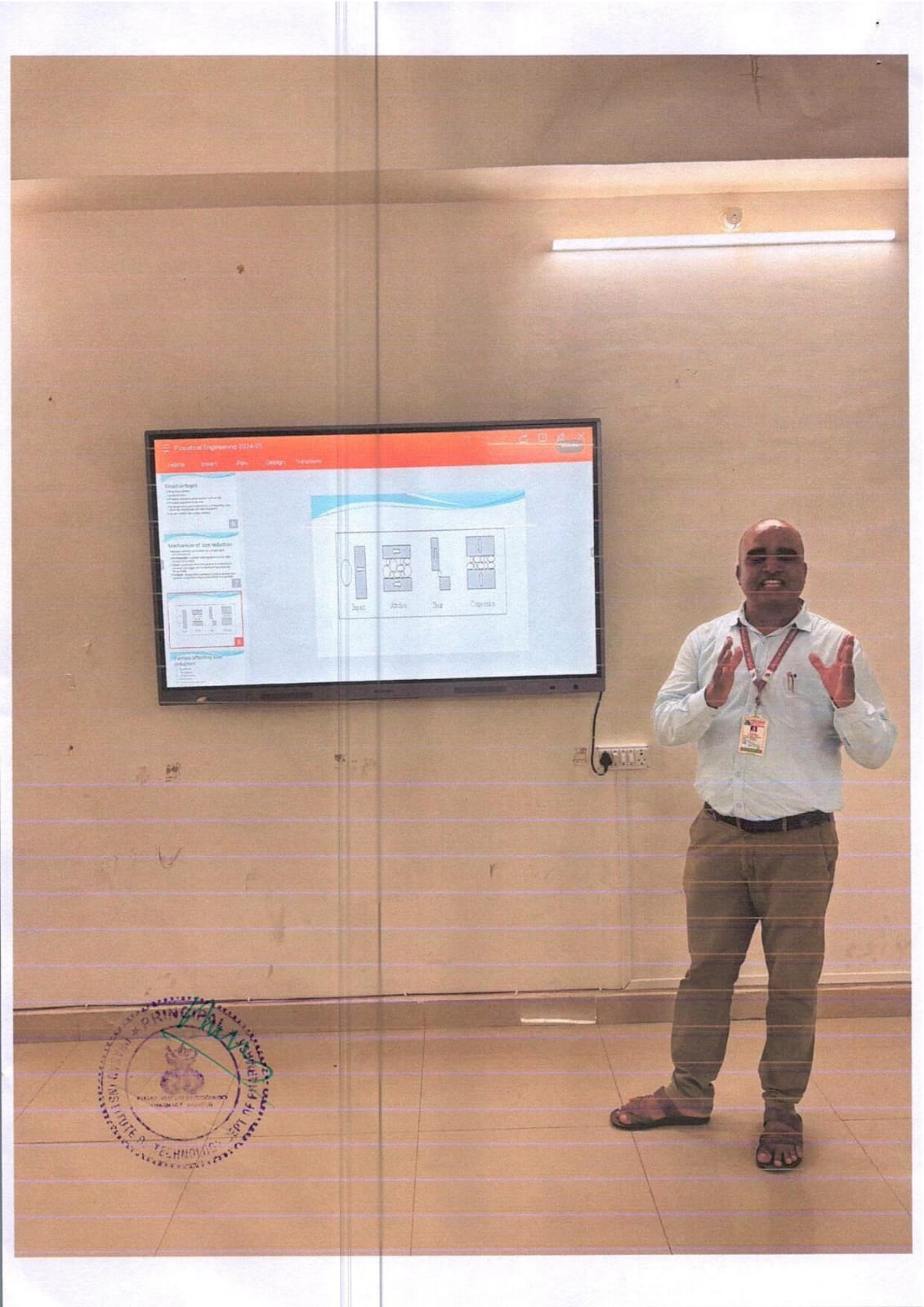
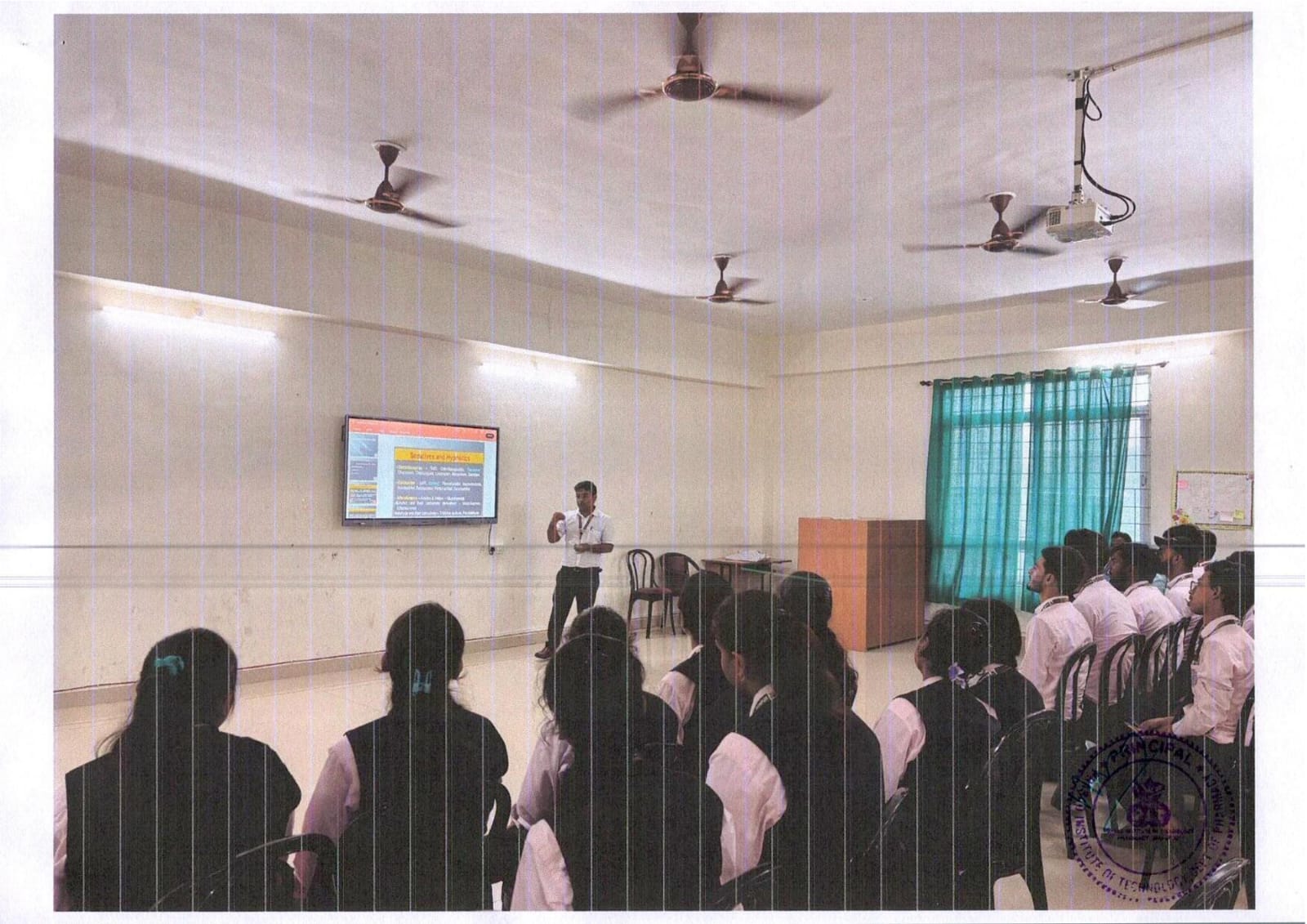
Students are advised to register for MOOCs (Massive Open Online Courses) and watch NPTEL and SWAYAM videos and the students are encourage to write assignment in classroom, students are encouraged to give presentations to improve their basic knowledge, communication skills in the respective subject
The Institute has been aware of two main important facts: Firstly, that the interaction with the corporate world during summer placement helps the students to sharpen their managerial and incisive skills and, secondly, the performance of a professional institute is gauged in terms of the quality of placements to its outgoing batches. As such, the Institute has established a full-fledged and well-equipped Training and Placement Cell which provides active support to the students in getting quality summer/Project training as well as final placements. In past, the Institute has an outstanding record of quality placements.
The students of the PRASAD are absorbed by leading national and multi-national companies every year. Some of the prominent companies that visit PRASAD regularly for providing Summer Training & Placement to the Pharmacy students are.
The courses were designed to provide industry ready professionals for the analysis and quality control of pharmaceuticals with appropriate skill set, knowledge base and practical expertise. The research laboratory in the department is equipped with sophisticated analytical instruments like High Performance Liquid Chromatography (HPLC) with different detector configurations (Photo diode array detector, Dual Wavelength UV Detector and UV-VIS detectors), UV – VIS Spectrophotometer, Fluorimeter. The departmental activities are supported by well qualified and trained academicians.
The Pharmaceutical Analysis department is an important part of the pharmaceutical industry. Pharmaceutical Analysis personnel liaise with various divisions within the industry during various phases of drug development, manufacturing, marketing, and clinical research. Externally it is the key interface between the company and the regulatory authorities. They ensure that the organization complies with all of the regulations and laws concerning medicinal products, pharmaceuticals, veterinary medicines, medical devices, and food supplements. They are involved in preparing and submitting the relevant regulatory dossiers to health care authorities around the world.
Pharmaceutical Analysts are involved in product development from the beginning. Regulatory restraints and requirements need to be taken into consideration when drafting the pharmaceutical, preclinical and clinical development plan. Development targets and key claims need to be reviewed and adapted to changing regulatory guidelines and regulations. Regulatory affairs professionals have the responsibility of ensuring that the information and data to be conveyed and discussed with the regulatory bodies are presented in the right way and form. They develop the regulatory strategy, arrange agency meetings, prepare and compile the questions and briefing documents. In addition, they attend the meetings and manage all communication with the regulatory agencies. Regulatory professionals are required to be updated with the changes in the regulatory environment and accordingly advice the organizations to make necessary changes to meet the regulatory requirement.
The department has kept a high standard of education and research in a wide range of biotechnology filed and equip the pharmacy students with adequate theoretical and practical knowledge in field of microbiology, bioprocess technology, animal tissue culture technology, protein and protein formulation, immunotechnology, bioinformatics and computational biotechnology, biological evaluation of drug therapy and other modern molecular biotechnology techniques like cloning, sequencing and hybridoma etc. In addition, the faculty and students of the department makes sincere efforts to apply basic findings to contribute to the prosperity and welfare of human being. The department has excellent infrastructure, state-of-art laboratories, faculty specialized in Pharmaceutical Biotechnology. Students with a background in Pharmaceutical Sciences, specializing in Pharmaceutical Biotechnology, will have a unique advantage of being placed in the biopharmaceutical industry.
The department is committed to deliver skills in the innovative processes for the manufacturing of drug and drug intermediates and their quality assurance using sophisticated instruments. Our objective is hit to Lead and Lead Optimization, Innovative Process Development for the Synthesis, Drugs and Drug Intermediates, API Handling and Patent and Regulatory Affairs. In silico drug design and development of novel chemotherapeutic and neurobehavioral agents.
Pharmaceutical Chemistry is a stimulating discipline which links many scientific disciplines and allows for collaboration with researchers from other disciplines like biologists, toxicologists, pharmacologists, theoretical chemists, microbiologists, and bio-pharmacists in developing new drugs. One can place himself/herself in a competitive position by having a strong background in organic chemistry and medicinal chemistry.
The Department of Pharmaceutics was established to strengthen research and training in the area of Pharmaceutical sciences. The department will strive with vision to become a center of excellence in the area of drug development, with the objective of developing cost effective newer delivery systems for better medication compliance, students are provided with one of the most dynamic programs in the area of pharmaceutical product development. The Department of Pharmaceutics is a place where commitment to excellence in academia, research and development is demonstrated through the productivity and success of our faculty and students. We continue to march with times and our program focuses on expanding the scientific avenues for improving the delivery of drugs and therapeutic agents. We offer a training environment that includes the latest formulation laboratory instrumentation and technologies supervised by experienced teachers and dedicated staff.
Development and evaluation of
The Department of Pharmacognosy was established keep abreast of the rapid developments in the knowledge and utilization of medicinal plants. There is an ever increasing acceptance for the past three decades for herbal drugs all over the world. The universal role of plants in the treatment of disease is exemplified by their employment in all the major systems of medicine. The department is involved in the protection of endangered medicinal species and the isolation of new drugs and lead compounds from traditional remedies.
Pharmacognosy is probably the oldest of the modern sciences that involves the study of the physical, chemical, biochemical and biological properties of natural drugs, including the search for new drugs from natural sources. The subject is one of the core branches in the pharmacy. The department enjoys the reputation of being one of the most sophisticated and well equipped department in the country. It is accredited by all the major regulatory bodies in India.
Pharmacology is the scientific discipline that, in the attempt to improve health and alleviate disease, studies the mechanisms by which drugs alter biological systems. Toxicology is the study of mechanisms by which drugs and chemicals in the environment produce unwanted effects. Together these disciplines encompass the molecular basis of drug action, the actions of drugs on cells, organs, and organisms, genetic variations in drug action, and drug discovery.
The department offers training in pharmacology and toxicology to students, who may subsequently go on to exciting research, regulatory and administrative careers in academic, industrial and healthcare provision settings. In this direction, the department goal is to prepare exceptional students for productive and successful careers in pharmaceutical industry, academia, research and public sectors.
Pharmacology is a subject, which connects the other disciplines of pharmaceutical sciences with medicine. This branch of science equips a student with the ability to appreciate the establishment of dose, dosage, efficacy, and safety of medicines, their mechanisms, and disposition. Pharmacology gives immense scope for exploration into diversified subdomains such as signaling and molecular mechanisms of medicines, clinical pharmacology and Biopharmaceutics, non-clinical and clinical trials. This opens up opportunities for further academic up gradation, sometimes with funded research projects of national importance supported by government funding agencies.
Department of Pharmacy Practice (DPP) was established to evolve the concept of clinical pharmacy through practice and education in India and to focus on the importance of the involvement of practicing pharmacists in patient care. Clinical Pharmacy Practice was established through a model center for the practice of clinical pharmacy. The clinical pharmacy services and other health care settings of this region achieved appreciation from the medical fraternity.
The Department has established a very good infrastructure for clinical pharmacy practice and education. The demand for trained pharmacy professionals has significantly increased in recent years due to the phenomenal growth of the health care services/ pharmaceutical industries. An ageing population, rising trends in chronic illnesses, enhanced insurance cover and higher disposable income are major contributing factors. Pharmacists are becoming more actively engaged in drug therapy decision-making and pharmaceutical care. There is a rising demand for pharmacists in a wide variety of occupational settings