
DEPARTMENT OF COMPUTER SCIENCE AND ENGINEERING (CSE) offers a four-year Bachelor of Technology (B.Tech) undergraduate degree program with a capacity of 60 students. The curriculum of CSE programs often encompasses a wide array of subjects, guaranteeing that students acquire a thorough comprehension of both theoretical principles and actual implementations. Courses typically encompass programming languages, computer architecture, operating systems, software engineering principles, SQL, Oracle databases, and advanced subjects such as artificial intelligence, machine learning, deep learning techniques, as well as real-time applications including mobile Android applications and full stack development, among others.
Computer Science and Engineering departments generally possess specialized laboratories and facilities outfitted with cutting-edge hardware and software resources for research and practical education. These may encompass computer laboratories, networking laboratories, artificial intelligence and machine learning laboratories, among others and is engaged with industry partners via internships, industry-sponsored workshops, seminars, and projects. These links facilitate students' acquisition of practical experience and offer avenues for networking and professional development.
In addition to academics, we include students in many activities and promote the development of social and public speaking abilities, leadership attributes, and soft skills, allowing them to exhibit their extracurricular interests through several clubs and the Idea Cell.
The Department is partnering with RedHat Academy and Oracle Academy to offer students opportunity to acquire new technologies that will facilitate their career advancement.
We motivate students to follow their passions by providing training from skilled instructors to cultivate and launch their start-ups with the assistance of the Institution Innovation Council (IIC).

The department of computer science & engineering will strive to become an excellent center for research and innovation in various knowledge domains within computer science and between computer science and other disciplines with focus on empowering human potential to deliver service to science and society.

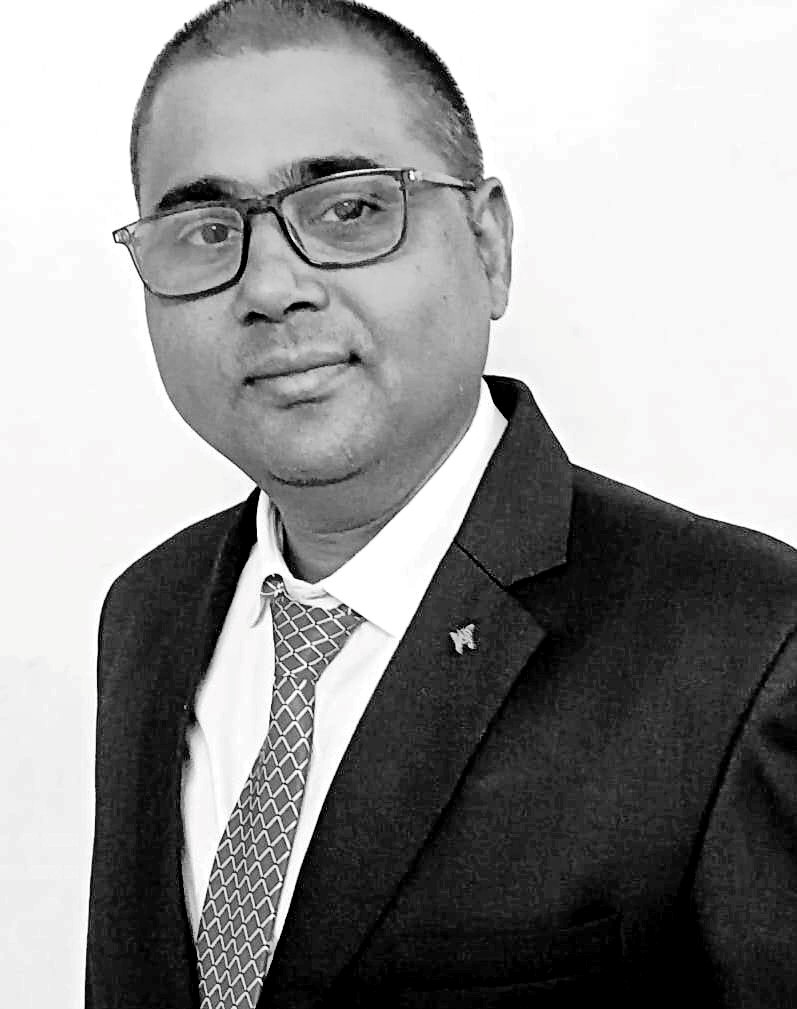
Prasad Institute of Technology Jaunpur (PIT Jaunpur) is located near the banks of river Gomati and the city of Jaunpur has historical importance. The Department of Computer Science and Engineering at PIT Jaunpur was formed in 2002. The department focused on Information Technology and is currently offering the degree of Bachelor of Technology (B.Tech.) in Computer Science and Engineering. The department has strong undergraduate programme, designed to create innovators and researchers.
Our students are very passionate and enthusiastic in learning. Students are given a strong foundation in CSE that includes both theoretical and experimental frameworks. The Department aims to produce quality professionals in the field of Computer Science and Engineering and strive for excellence in research and develop. Our faculty have excellent academic knowledge and assist students to be dynamic in choosing and pursuing their interest. Students are encouraged to take ICT projects such as Smart City, IoT, Robotics, Data Science, Graphics, Future Networks, Artificial Intelligence, Machine Learning, Green Technology and Grid Computing, etc.
The department provides excellent infrastructure and facilities for faculties and students to excel in teaching and to be dynamic to accept any research challenge.
| S.NO. | STAFF NAME | QUALIFICATION | DESIGNATION |
|---|---|---|---|
| 1 | Miss MADHAVI SINGH | B.Tech, M.Tech | ASSOC PROFESSOR & REGISTRAR |
| 2 | Mr. SATENDRA KUMAR | B.Tech, M.Tech (Ph.D) | ASST PROFESSOR & HoD |
| 3 | Mr. SAURABH SHARMA | B.Tech, M.Tech | ASSOC PROFESSOR |
| 4 | Mr. DILEEP KUMAR YADAV | B.Tech, M.Tech | ASST PROFESSOR |
| 5 | Mr. VISHAL YADAV | B.Tech, M.Tech | ASST PROFESSOR |
| 6 | Mr. RAVIKHUSHAN PATHAK | B.Tech, M.Tech | ASST PROFESSOR |
| 7 | Mr. ANKIT MOURYA | B.Tech, M.Tech | ASST PROFESSOR |
| 8 | Mr. SHADAB ANWAR | B.Tech, (M.Tech) | LECTURER |
| 9 | Mr. SHUBHASHEESH KUNDU | B.Tech, (M.Tech) | LECTURER |
| 11 | Miss. SHIVANGI SRIVASTAVA | B.Tech, (M.Tech) | LECTURER |
| 10 | Miss. NIDHI RANJAN | B.Tech, (M.Tech) | LECTURER |
| S.NO. | STAFF NAME | QUALIFICATION | DESIGNATION |
|---|---|---|---|
| 1 | Dr. VINOD MAURYA | Ph.D | SYSTEM ADMIN |
| 2 | Mr. SANGRAM SINGH | B.Tech | LAB INSTRUCTOR |
| 3 | Mr. AMAR BAHADUR YADAV | DIPLOMA | LAB INSTRUCTOR |
| 4 | Mr. ANKESH PANDEY | DIPLOMA | LAB INSTRUCTOR |
| Room Description | No of Rooms | Seating Capacity | Room Equipped with | Usage |
|---|---|---|---|---|
| HoD Room | 1 | 1 | Internet Access , News Board | |
| Faculty Rooms | 1 | 12 | Internet Access , News Board | |
| Class Room | 4 | 75 | Podium, White Board | Lecture |
| Class Room | 1 | 75 | Podium, White Board | Tutorials |
| ICT Room | 1 | 75 | Podium, White Board, Lcd Projector, Internet Facility | Lecture |
| Departmental Library | 1 | 30 | Desktop, internet access, white board,table,chairs | Study |
| Laboratories | 7 | 30 | Desktop PCs, Softwares and Instruments present according to lab. | To Conduct Practicals |
Department is having following well equipped labs
The faculties are using multimedia elements LCD projectors in the Class room. It will help the faculties to represent the content in a more meaningful way using different media elements.
Various multimedia tools used are:
| Tools | Methods | Metaphor |
|---|---|---|
| Power Point Presentation by referring E-learning videos | Easy to prepare and it can be prepared with many of the popular multimedia technique’s. | Slide Based |
| Demonstration Videos and Lectures | Easy to prepare and download | Web based learning |
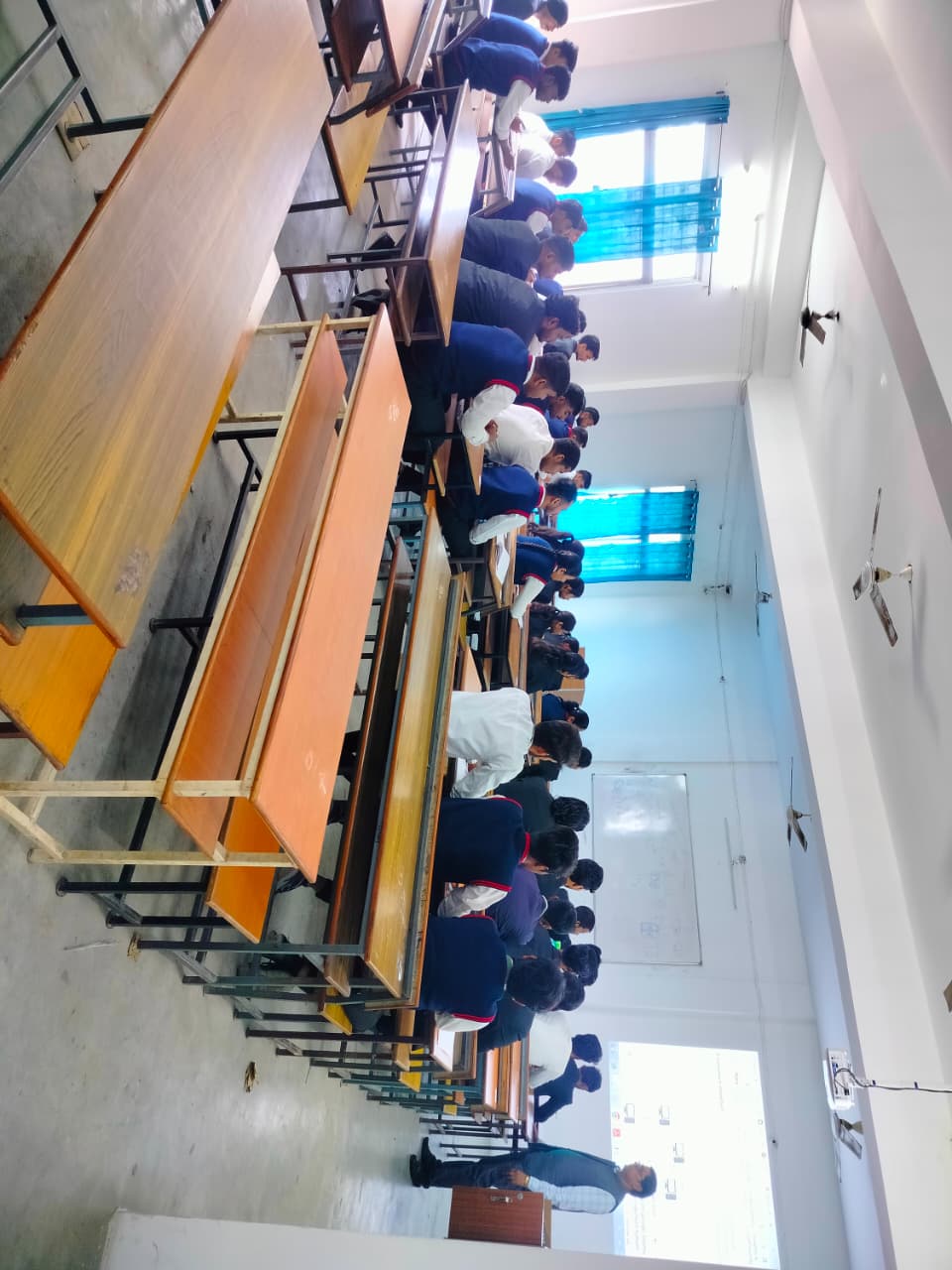
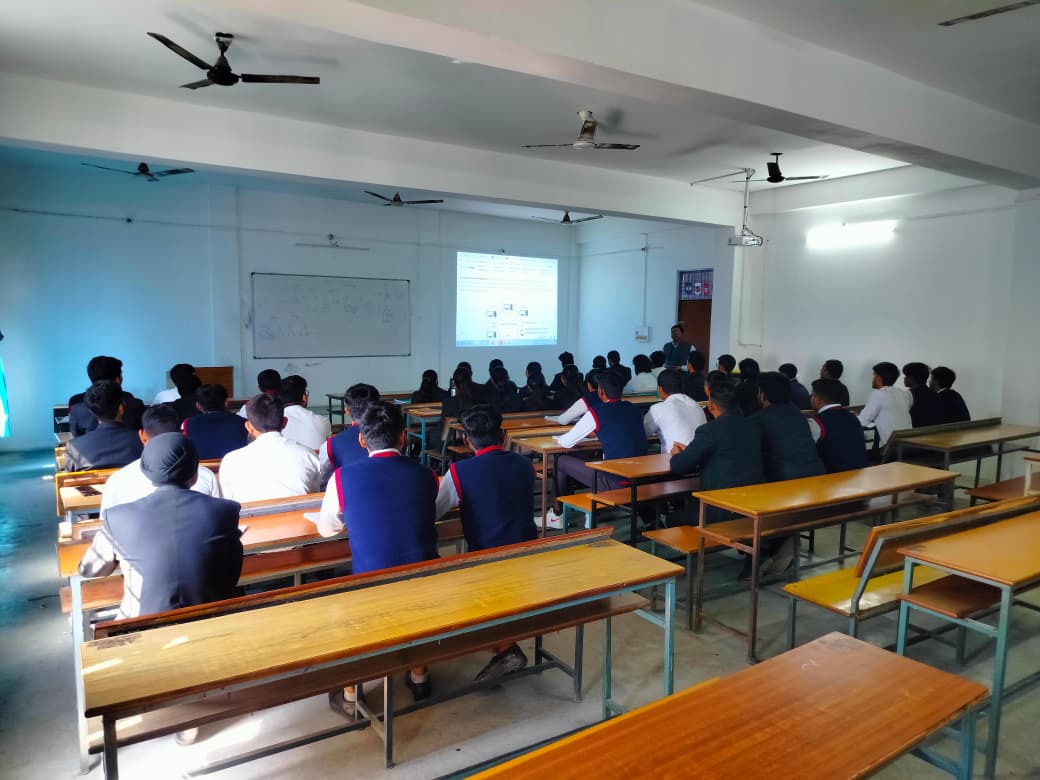
Students are advised to register for MOOCs (Massive Open Online Courses) and watch NPTEL and SWAYAM videos and the students are encourage to write assignment in classroom, students are encouraged to give presentations to improve their basic knowledge, communication skills in the respective subject
The Institute has been aware of two main important facts: Firstly, that the interaction with the corporate world during summer placement helps the students to sharpen their managerial and incisive skills and, secondly, the performance of a professional institute is gauged in terms of the quality of placements to its outgoing batches. As such, the Institute has established a full-fledged and well-equipped Training and Placement Cell which provides active support to the students in getting quality summer/Project training as well as final placements. In past, the Institute has an outstanding record of quality placements.
The students of the PRASAD are absorbed by leading national and multi-national companies every year. Some of the prominent companies that visit PRASAD regularly for providing Summer Training & Placement to the B.Tech students are.
Mobile : +91 7860711179; Email ID: [email protected]